
Creating classroom environments that prioritize well-being and cognitive development is key to making school a better place for learning. Research shows that biophilic design, reduced visual density, and autonomy support enhance attention, executive function, and emotional regulation—factors critical for academic success. By integrating these strategies, educators can foster environments that promote both cognitive growth and improved learning outcomes.
For Administrators & Decision-Makers
This policy brief translates classroom-based research into system-level considerations that support learning and well-being across early childhood settings.
For Teachers: Classroom Editing Tool
This checklist offers a practical, easy-to-use tool to help teachers design classroom environments that support well-being, attentional allocation, and student autonomy.
Natural Elements

Rather than purchasing plastic classroom materials, consider bins, shelves, trays, and other materials with natural elements and textures.
Views

Ensure clear, unobstructed views of nature or outdoor green spaces by keeping windows uncovered and free from visual barriers.
Walls
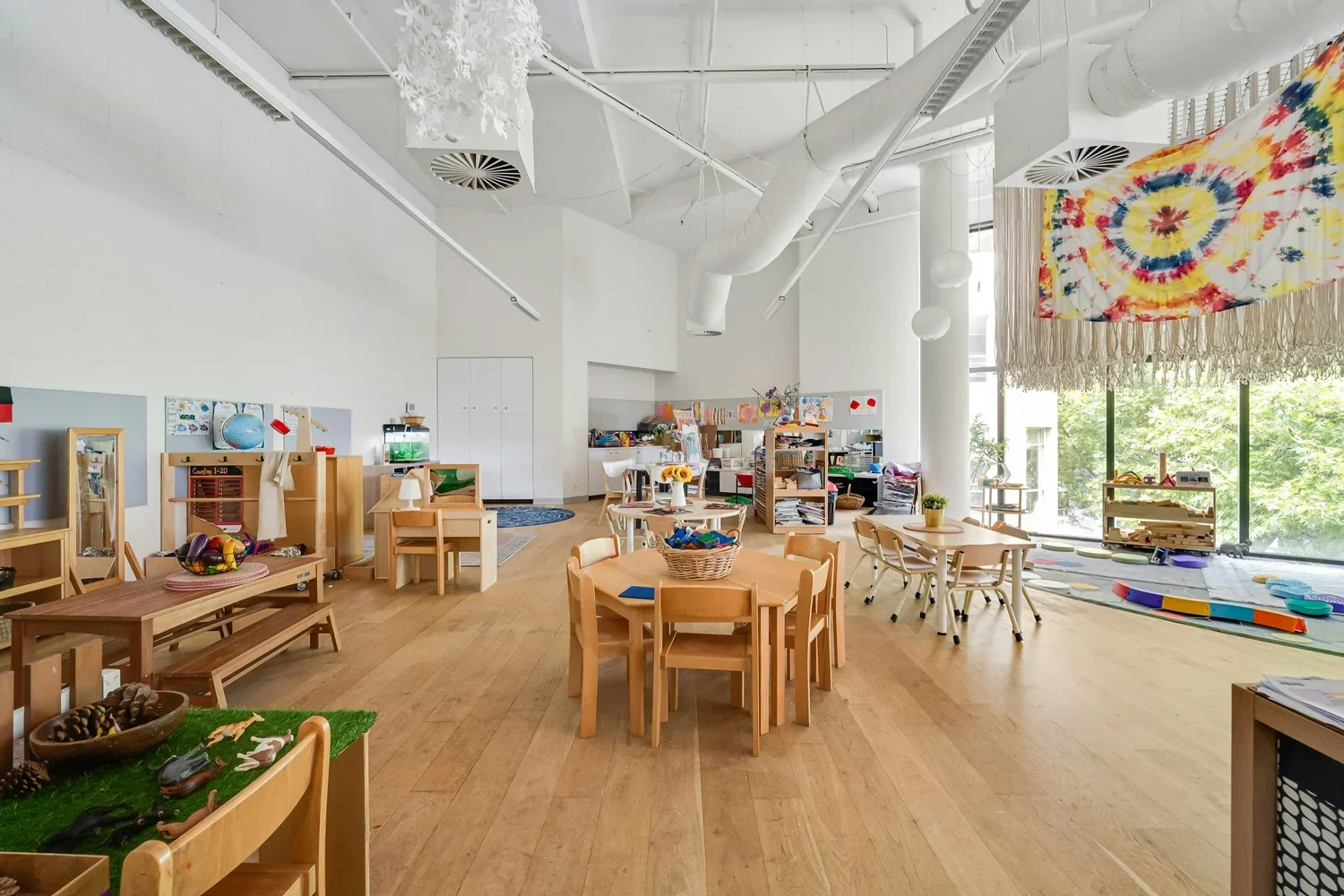
Use neutral, muted colors and organize displays intentionally to avoid overstimulation, covering no more than 50% of walls.
Anchor Charts

Instead of posting anchor charts or mind maps, provide individual copies for younger students to keep in their notebooks or folders, and create an online repository that older students can access both at school and at home.
Choice

Offer students meaningful choices in tasks, materials, or seating arrangements to support consistent decision-making opportunities, which are critical to the development of executive functioning and self-regulation skills.
Space
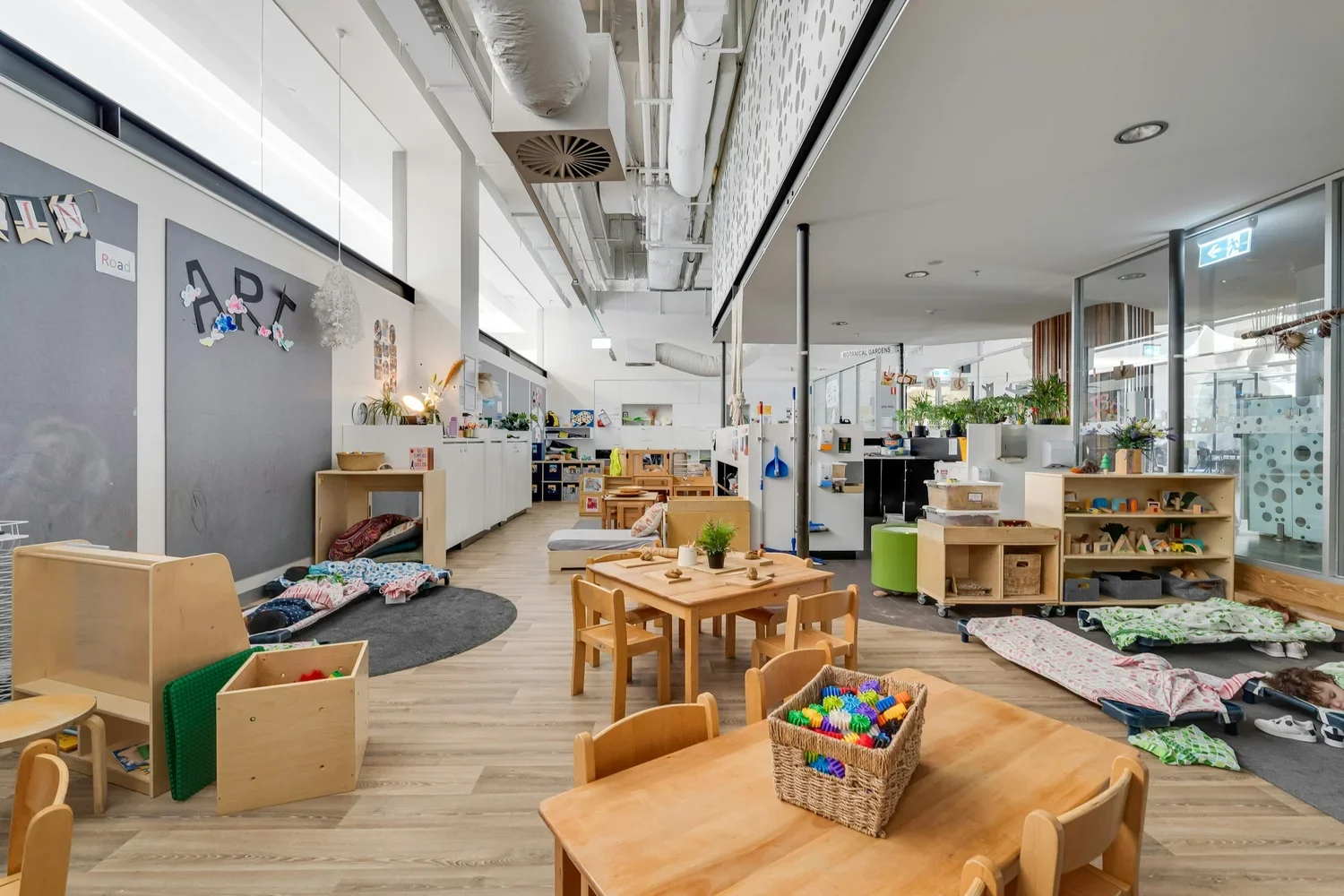
Design flexible learning spaces that support movement, exploration, and independent work.